Sudan in the Picture: Research on Sudanese Cinema
Background and Scope
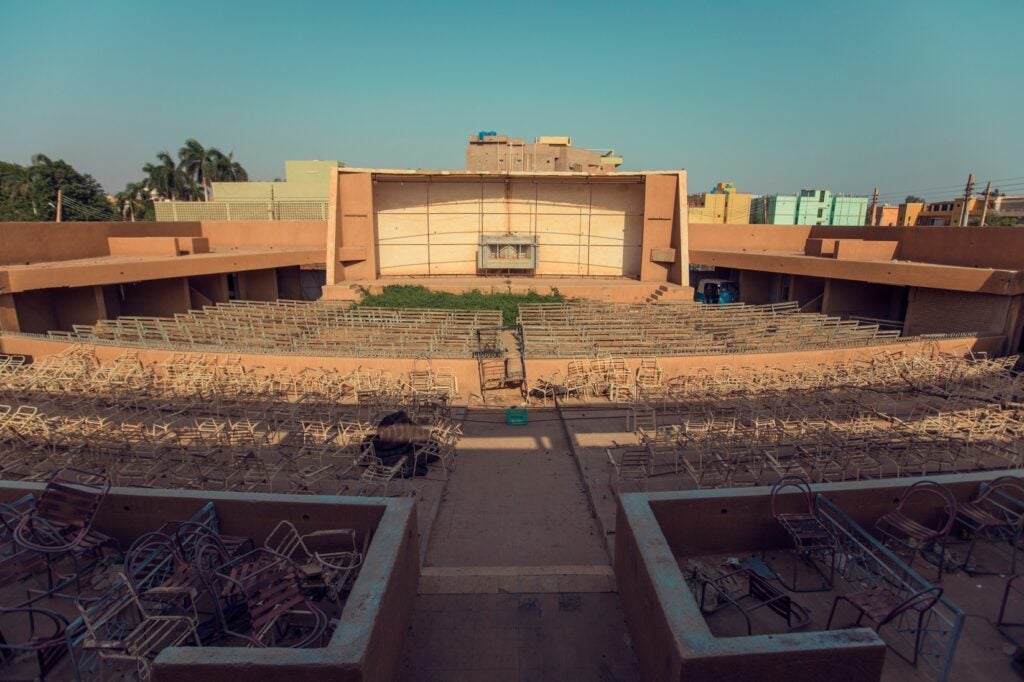
The first moving image of Sudan was taken in 1898, more than 127 years ago, at the dawn of the medium of cinema. Despite this long history, the story of Sudanese cinema remains relatively unknown to both domestic and international audiences. The recent successes of contemporary Sudanese film has revived interest in knowing more, with an enthusiastic increase in journalistic accounts and amateur archival discoveries appearing more regularly online.
Building on CIRS’s previous work on Sudan, including (Re)Collecting Sudan: Art and Culture Archives research project and Seeing Sudan Hiwaraat conference, this research initiative, examines Sudanese films and filmmaking. The project delves into various aspects of filmmaking in the Sudanese context, from exploring British colonial control of the country through onscreen representation to examining the collective consciousness of independence-era cinema through a Sudanese cultural lens. In the contemporary war-ridden context, film emerges as a vital tool for preserving memory, bearing witness to violence, articulating loss, and envisioning collective futures in the face of erasure and fragmentation.
This workshop explores how documentary and narrative cinema alike capture the affective and political dimensions of Sudanese life, creating space for alternative archives and public dialogue. Positioning cinema as both a cultural record and a language of storytelling, this workshop features a group of academics, researchers, and filmmakers, working to promote representations of Sudan through the country’s cinematic contributions and onscreen life.
Sudan Research at CIRS
(Re)Collecting Sudan: Art and Culture Archives
In Spring 2025, the Center for International and Regional Studies (CIRS) at Georgetown University in Qatar launched a research initiative titled “(Re)Collecting Sudan: Art and Culture Archives,” led by Suzi Mirgani. In the current conflict-ridden moment of Sudan’s history, the project is dedicated to examining the country’s tangible and intangible cultural contributions, surveying what has been lost, highlighting what remains, and actively supporting continued artistic creation and knowledge production.