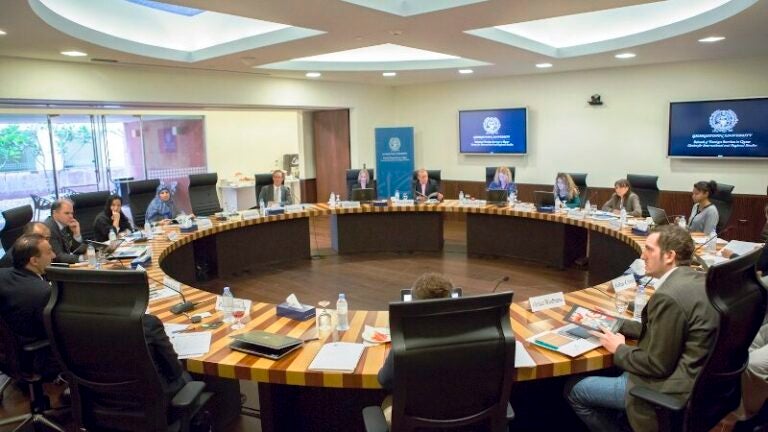
The Political Economy of Development in Sudan: A Historical View of Economic Relations, Trade, and Informality
Background and Scope
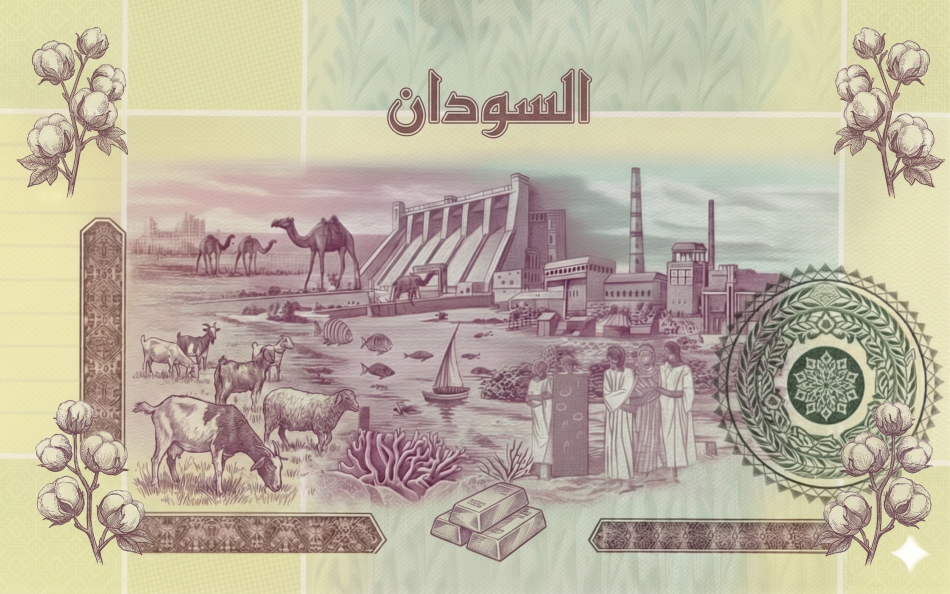
Building on CIRS’s previous work on Sudan, including (Re)Collecting Sudan: Art and Culture Archives and Sudan in the Picture: Research on Sudanese Cinema research projects and Seeing Sudan Hiwaraat conference, this research initiative aims to examine Sudan’s economy and development experience. This project addresses gaps in the current literature on Sudan’s development, with a particular focus on understudied elements of Sudan’s economic structure, namely the informal economy, the role of merchant capital and the often-siloed analysis of the agricultural and mining sectors. The scope is intentionally expansive, covering the evolution of economic activity in Sudan from its pre-colonial roots through to the complex realities of 2025. The aim is to provide both historical depth and contemporary relevance.
Being led by Dr. Muez Ali, the project stems from the gap in mainstream economic narratives, many of which focus heavily on state-centered development, observable and quantifiable indicators and formalized sectors, to explain the persistent volatility, resilience, and unique structural characteristics of the Sudanese economy. Specifically, this historical approach will place the often-neglected informal economy at the center of the analysis. In reality, the informal economy is not a residual feature of Sudan’s development experience, but a dynamic and central driver of capital formation, livelihoods, social organization and conflict across all time periods.
Shedding light on Sudan’s economic history requires tracking the networks and mechanisms of merchant capital, from long-distance trade routes in the pre-colonial era to contemporary remittance flows and illicit cross-border commerce, to understand how wealth is accumulated, mobilized and politically deployed outside of formal banking and regulatory frameworks. Furthermore, while the significance of both agriculture (the Gezira Scheme, rainfed farming, gum arabic production) and mining (gold, particularly since the mid-2000s) is generally acknowledged, historical interconnections between the sectors, various regulatory regimes across different political systems, the interchangeability of labor across the two sectors, and their relationship with local and global capital are poorly understood.

Project Lead
Muez Ali
Adjunct Lecturer at GU-Q
Previous Research on Sudan
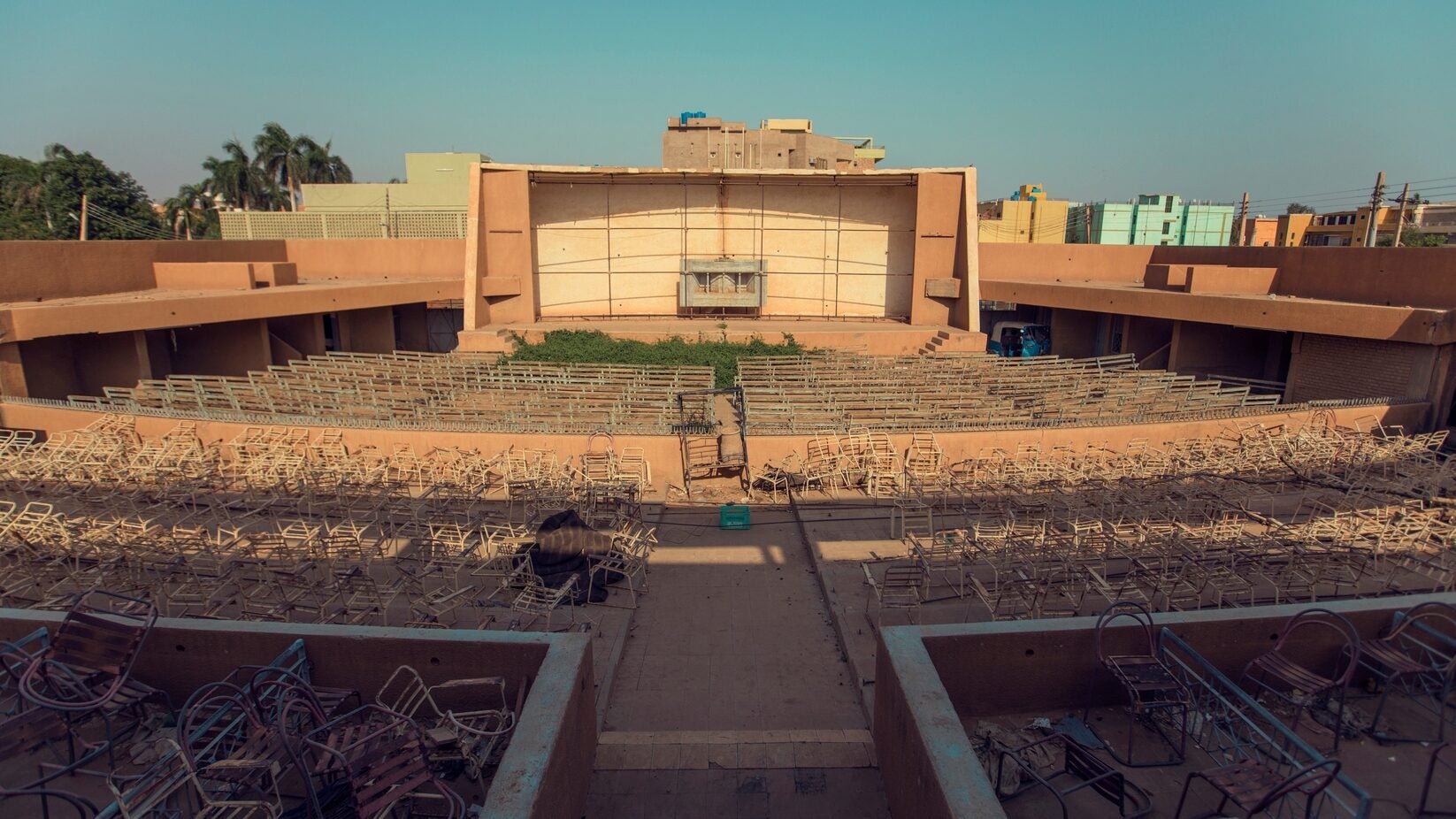
Sudan in the Picture: Research on Sudanese Cinema