


CIRS Collaborates with ISRS on Cultural and Humanitarian Cooperation Panel at the Second Termez Dialogue
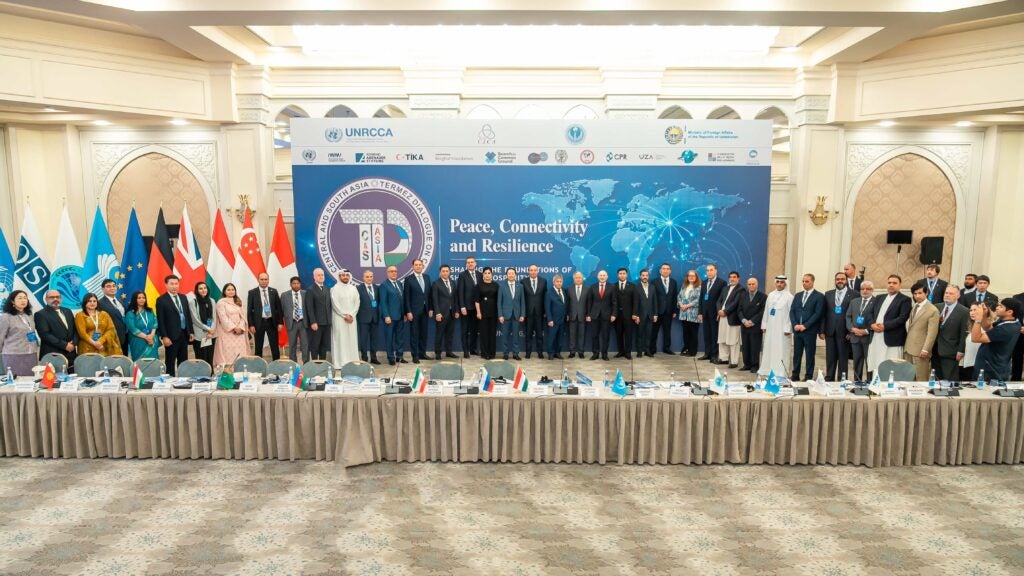
The Center for International and Regional Studies (CIRS) at Georgetown University in Qatar collaborated with the Institute for Strategic and Regional Studies (ISRS) under the President of the Republic of Uzbekistan to organize and convene the session “Cultural and Humanitarian Cooperation as a Foundation for Trust and Mutual Understanding” at the Second Meeting of the Termez Dialogue on Connectivity between Central and South Asia, held in Tashkent on June 4, 2026.
The session brought together leading scholars, practitioners, policymakers, and cultural leaders to examine how shared historical, intellectual, and cultural ties can strengthen trust, mutual understanding, and cooperation between Central and South Asia. Reflecting the broader objectives of the Termez Dialogue, discussions emphasized that connectivity extends beyond infrastructure, trade corridors, and economic integration. Sustainable regional cooperation also depends on strong cultural, educational, and people to people linkages.
Drawing on the region’s deep civilizational heritage, participants explored how Central and South Asia historically functioned as a connected intellectual, economic, and cultural space. They discussed ways in which this shared legacy can serve as a foundation for addressing contemporary challenges and fostering more resilient forms of regional engagement.
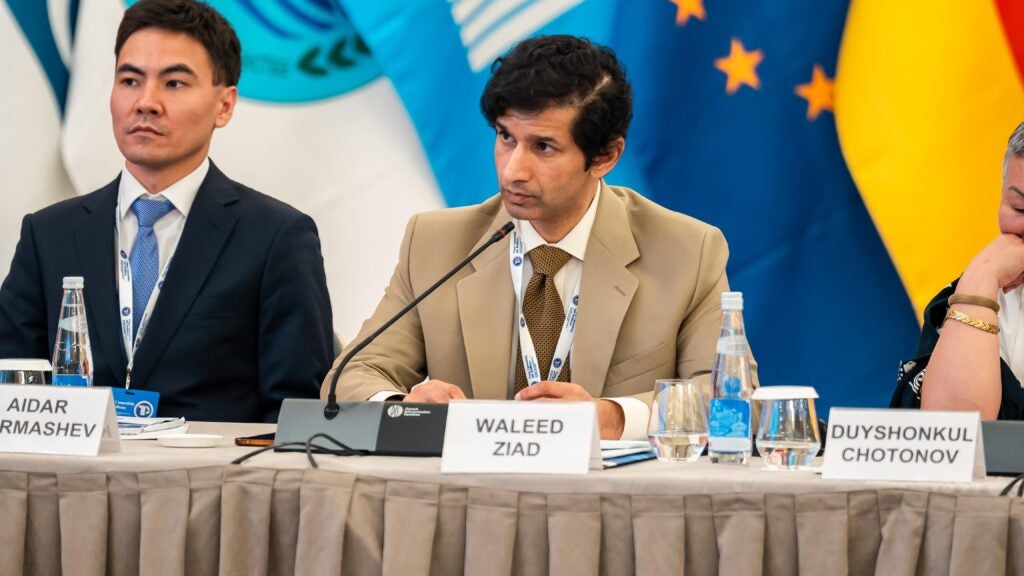
Among the featured speakers was Waleed Ziad, Associate Professor of History at Georgetown University in Qatar, who highlighted the critical role of culture and education in regional integration. He noted that while transport corridors and infrastructure projects provide the “hardware” of connectivity, education, culture, and mutual understanding constitute its essential “software,” without which connectivity remains incomplete and fragile.
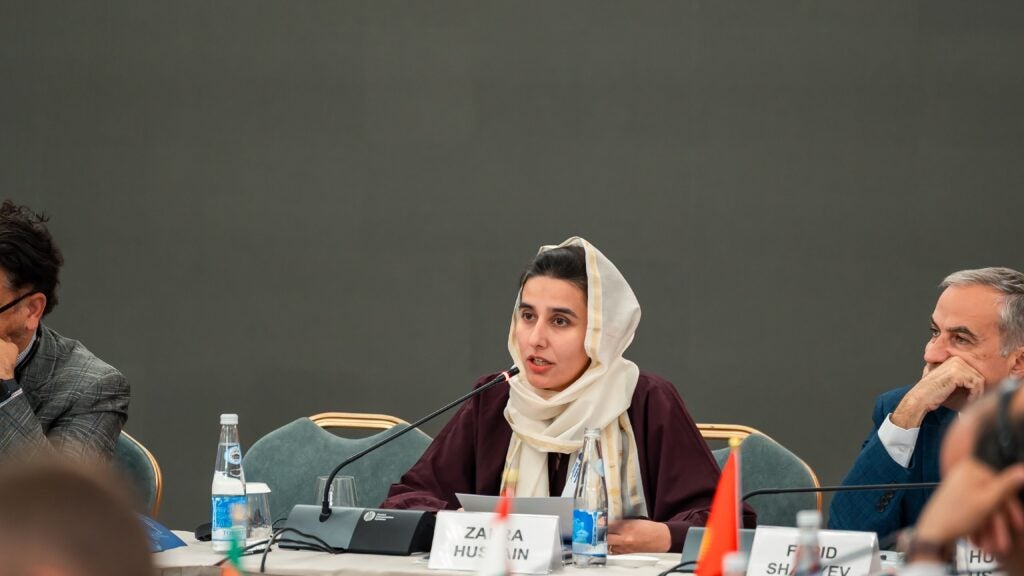
Zahra Hussain, Director of Laajverd Collective in Pakistan, emphasized that discussions on regional cooperation have traditionally focused on transport, energy, and digital infrastructure. While acknowledging their importance, she argued that sustainable and meaningful relationships between countries are ultimately rooted in direct human interaction, cultural exchange, and people centered engagement.
The session also featured remarks from Javier Piedra, who underscored the importance of trust building and respectful engagement as guiding principles for regional cooperation. He noted that the Termez Dialogue’s vision of achieving long term stability through dialogue resonates strongly with broader international efforts to promote peaceful regional integration.
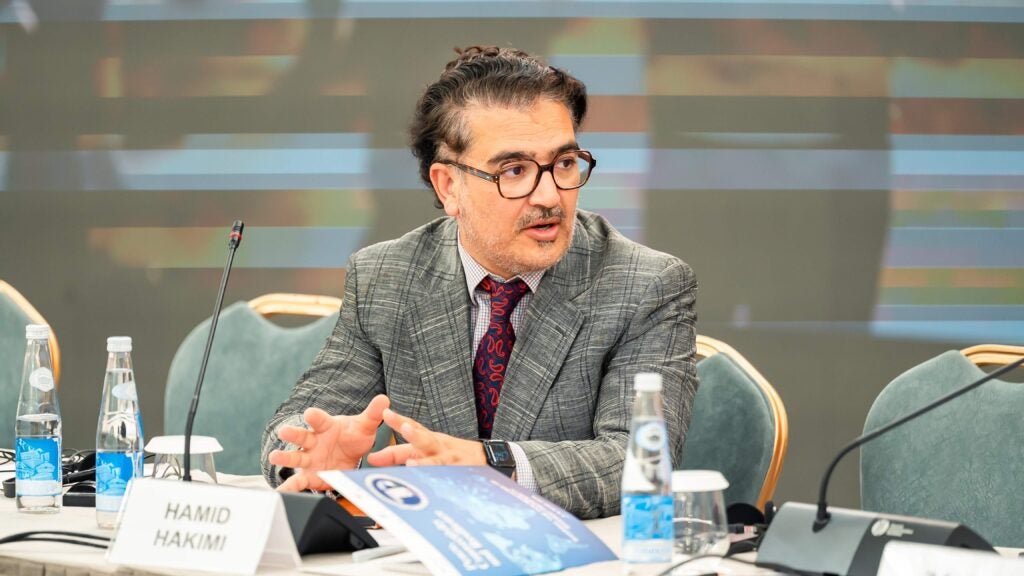
Addressing the role of academic and cultural exchanges, Hameed Hakimi highlighted how educational partnerships, research collaborations, and people to people exchanges foster durable professional and societal networks. Such initiatives, he argued, create personal and institutional stakes in maintaining stable, open, and predictable cross border relations, ultimately contributing to long term regional stability and security.
Throughout the discussion, participants identified a number of obstacles that continue to hinder cultural and humanitarian connectivity, including limited scientific cooperation, insufficient academic exchanges, weak collaboration in culture and tourism, and the absence of sustained youth and professional mobility programs. Given that more than sixty percent of the population across both regions is under the age of thirty, speakers emphasized the importance of investing in human capital development and creating opportunities for the next generation to engage across borders.
The session concluded with a call for expanding academic exchanges, promoting joint research and innovation initiatives, strengthening cultural cooperation, and creating new platforms for dialogue among youth, civil society organizations, artists, scholars, and practitioners. Participants agreed that these efforts are essential for restoring historical ties, strengthening societal trust, and building a more connected and prosperous future for Central and South Asia.
The panel formed part of the Second Termez Dialogue, an initiative supporting the implementation of the United Nations General Assembly Resolution on “Strengthening the Connectivity between Central and South Asia,” proposed by the President of Uzbekistan, Shavkat Mirziyoyev.
For more information on the event, visit the ISRS coverage: ISRS Article on the Second Termez Dialogue.