• Mary Ann Tetreault on Education in the Gulf

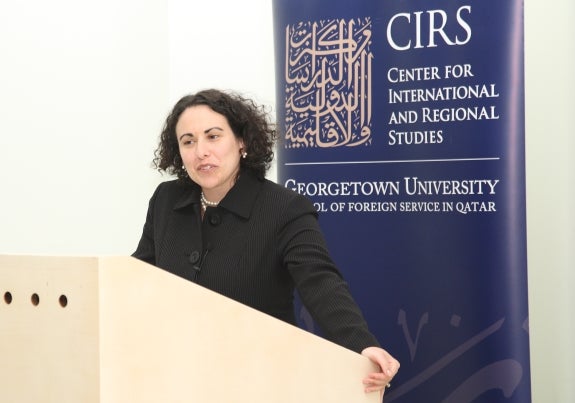
    Mary Ann Tétreault, the 2010-2011 CIRS Visiting Scholar and the Una Chapman Cox Distinguished Professor of International Affairs at Trinity University in San Antonio, was invited to deliver the October…

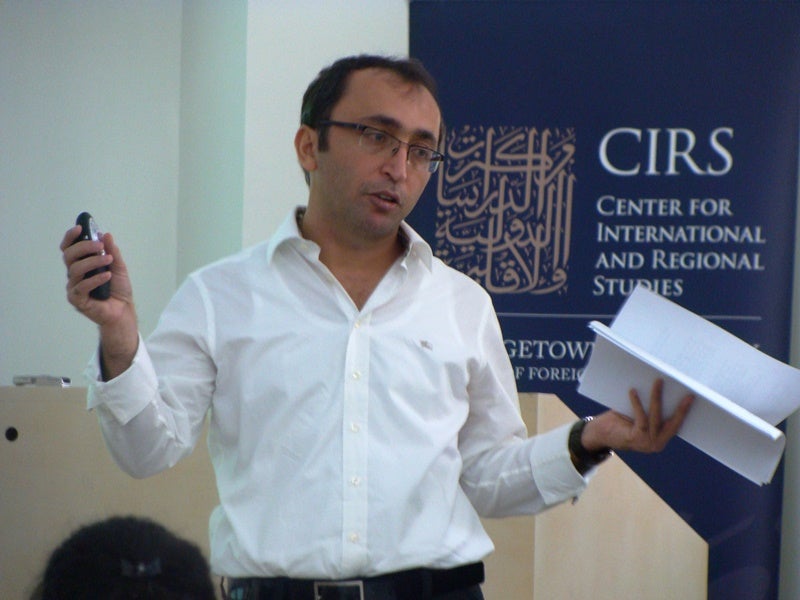
  • Birol Baskan on the 2010 Turkish Referendum

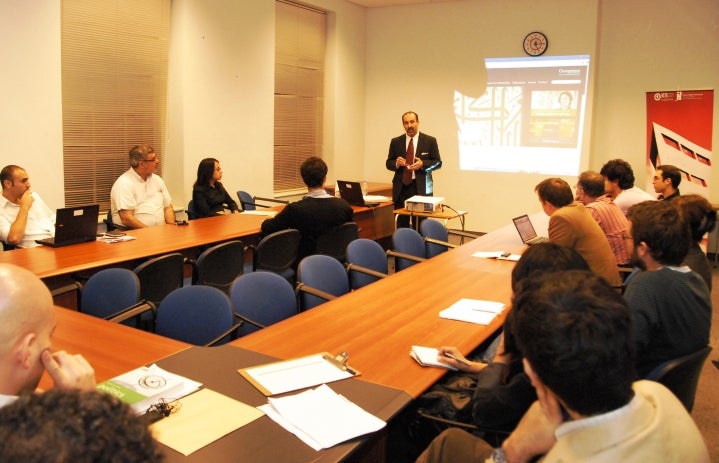
    Birol Başkan, Visiting Assistant Professor of Government at the Georgetown University School of Foreign Service in Qatar, delivered a Focused Discussion on the topic, “Turkey at the Crossroads: The Last Referendum and…

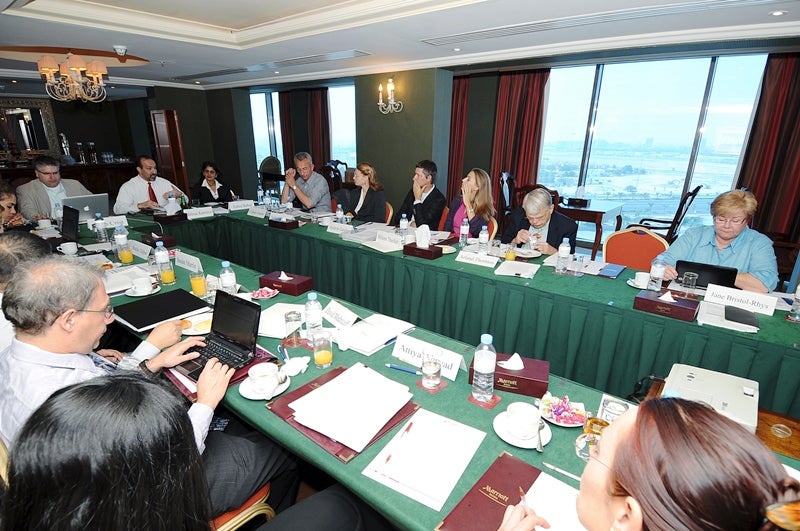
  • Migrant Labor in the Gulf – Working Group III

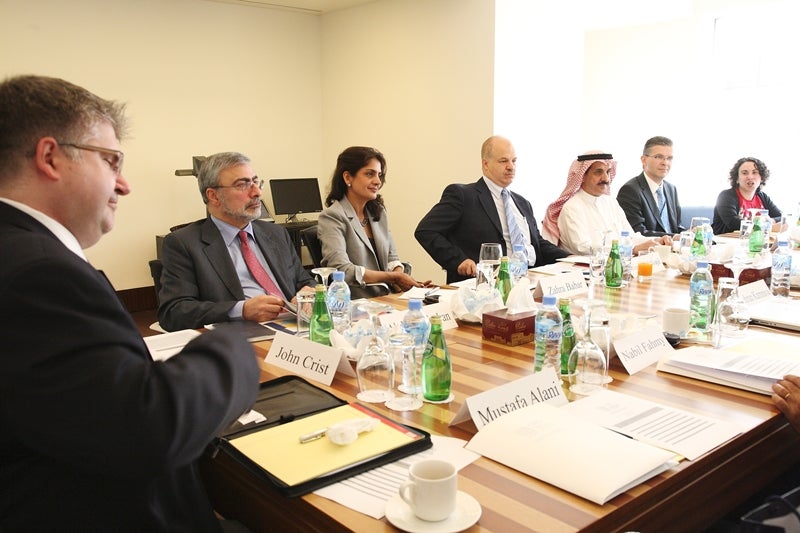
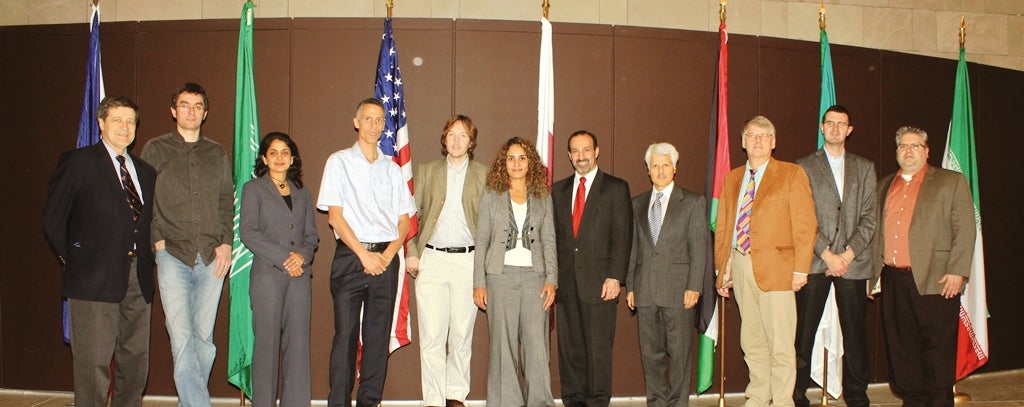
    On October 10–11, 2010, CIRS held its third and final meeting of the “Migrant Labor in the Gulf” working group. Each participant submitted a draft paper in advance of the…

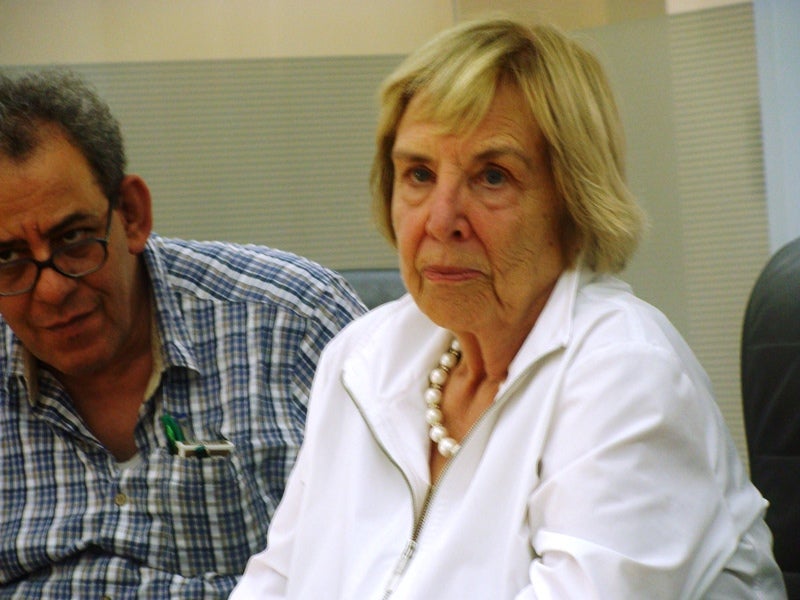
  • Barbara Stowasser Lectures on Concepts of Time in Islam

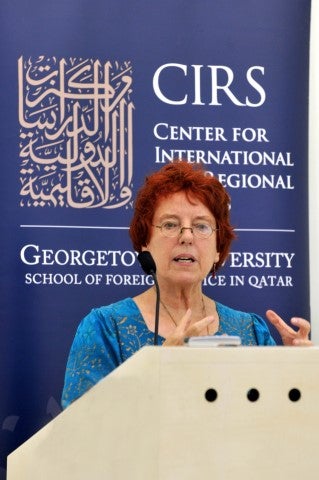
    Barbara Stowasser, Director of the Center for Contemporary Arab Studies at Georgetown University, was invited to Doha to deliver aFocused Discussion on the subject of “Time Sticks" and concepts of time…

  • Miriam Cooke Lectures on Heritage Projects in the GCC

    Miriam Cooke, Professor of Arab Cultures at Duke University and Fall 2010 Scholar-in-Residence at the Museum of Islamic Art in Doha, delivered the November CIRS Monthly Dialogue on the topic of “The Tribal Modern: The Past as Future.” In examining a variety of “heritage projects” in Qatar and the Gulf states, Cooke acknowledged the literature…

  • Carol Lancaster on the Results and Consequences of the U.S. Mid-term Elections

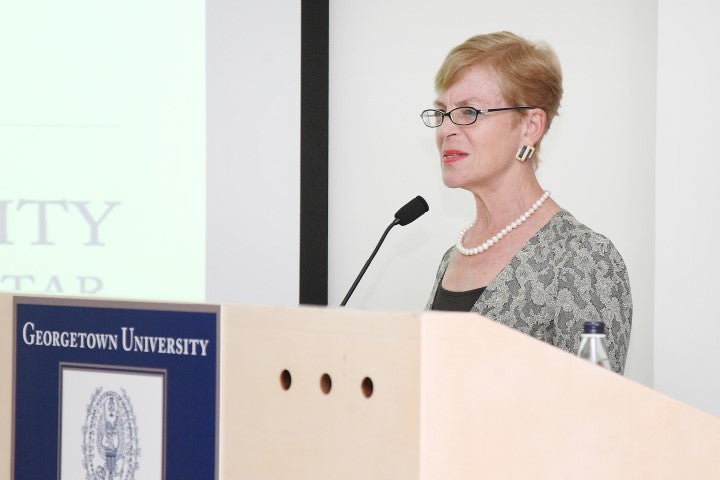
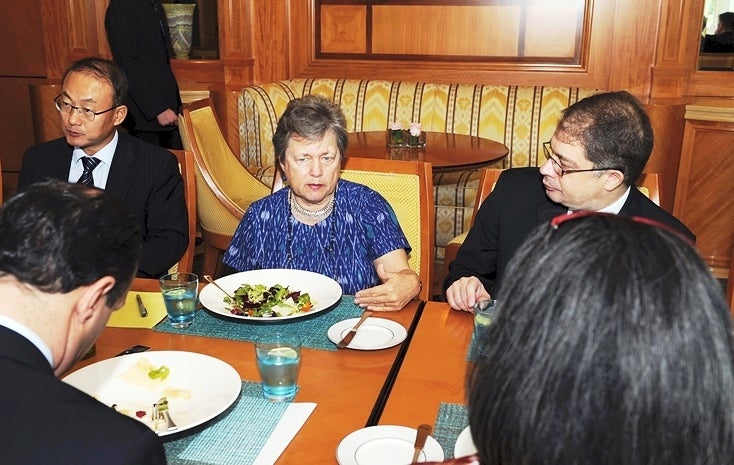
    Carol Lancaster, Dean of the Edmund A. Walsh School of Foreign Service and Professor of Politics at Georgetown University, lectured to a group of Georgetown faculty and Qatar-based diplomats on November 14, 2010 on the subject of “The Results and Consequences of the US Mid-term Elections.” The mid-term elections, Lancaster said, “were predicted to be…

  • Foreign Policy and Regime Survival in Jordan

    Debra Shushan, the 2010-2011 CIRS Post Doctoral Fellow, delivered the December Monthly Dialogue on the topic, “Jordan in the Gulf Wars: Foreign Policy and Regime Survival,” where she illustrated key differences between Jordan’s foreign policy initiatives in the first and second Gulf Wars which, respectively, occurred in 1990-91 and from 2003 onward. Shushan noted that…

  • Political Economy of the Gulf Working Group II

    On December 11–12, 2010, CIRS concluded the second session of its “Political Economy of the Gulf” research initiative with a two-day working group meeting that took place at Georgetown University in Qatar. Several experts on the political economy of the Gulf were invited back to Doha to present their chapter submissions and to discuss their original research…

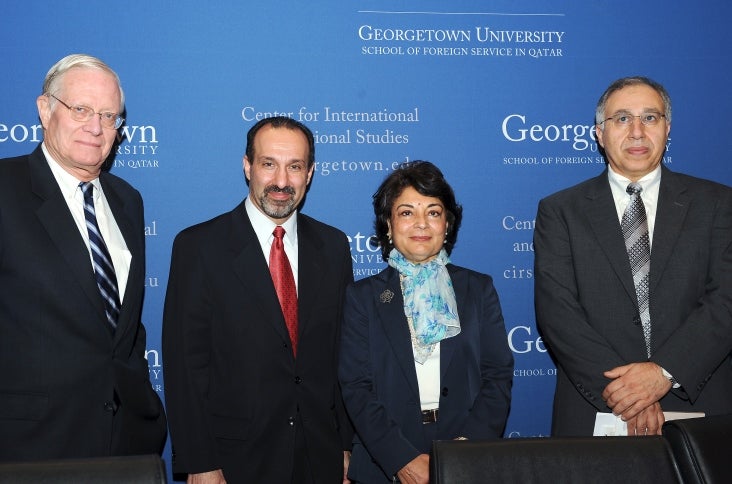
  • Zalmay Khalilzad on America and the Middle East: Future Challenges and Opportunities

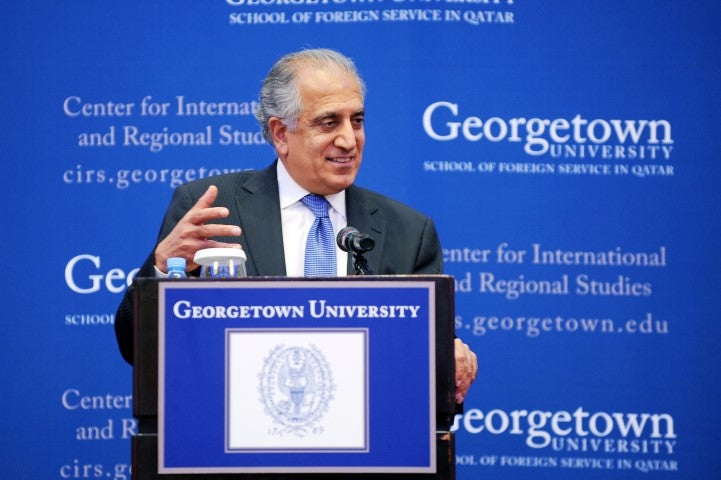
    Zalmay Khalilzad was invited to deliver a CIRS Distinguished Lecture on the topic, “America and the Middle East: Future Challenges and Opportunities” on December 13, 2010, in Doha, Qatar. Khalilzad served as U.S. Permanent Representative to the United Nations (2007-2009), U.S. Ambassador to Iraq (2005-2007), and U.S. Ambassador to Afghanistan (2003-2005). The Ambassador spoke about the relationship…